 Research & Education
How Akkermansia Supports GLP-1 Production and Metabolic Function
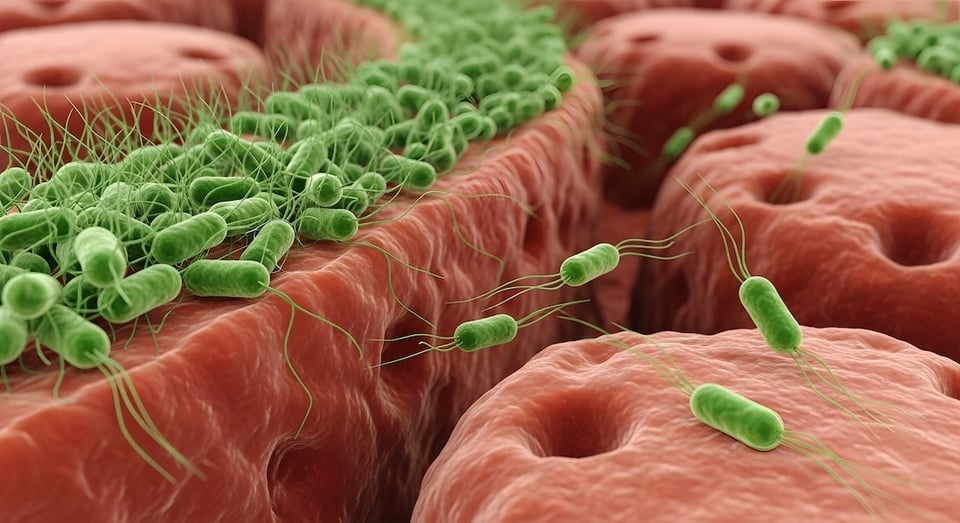
Akkermansia muciniphila, a keystone gut bacterium, appears to support the body's own GLP-1 production through short-chain fatty acids and the P9 protein.

Microbiome
The latest evidence-based reporting in Microbiome.
Research & EducationAkkermansia muciniphila, a keystone gut bacterium, appears to support the body's own GLP-1 production through short-chain fatty acids and the P9 protein.
 Research & Education
Learn how anaerobic probiotic manufacturing and MET technology enable shelf-stable, next-generation probiotics with oxygen-sensitive keystone gut bacteria.
 Science Update
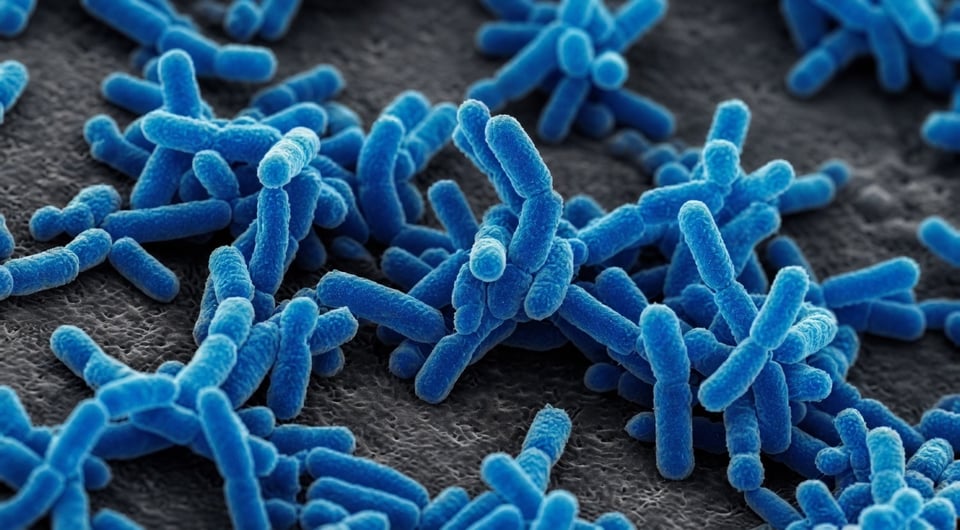
A randomized controlled trial explores how a Bifidobacterium postbiotic improves visceral fat, insulin resistance…
 Science Update
Explore one case report on Anaerostipes caccae, a butyrate-producing probiotic, gut microbiome changes, digestive comfort, and long-term food intolerances.
 Research & Education
Lactobacillus gasseri CP2305, a heat-treated postbiotic, may support sleep quality and autonomic balance through gut-brain axis signaling, trials show.
 Research & Education
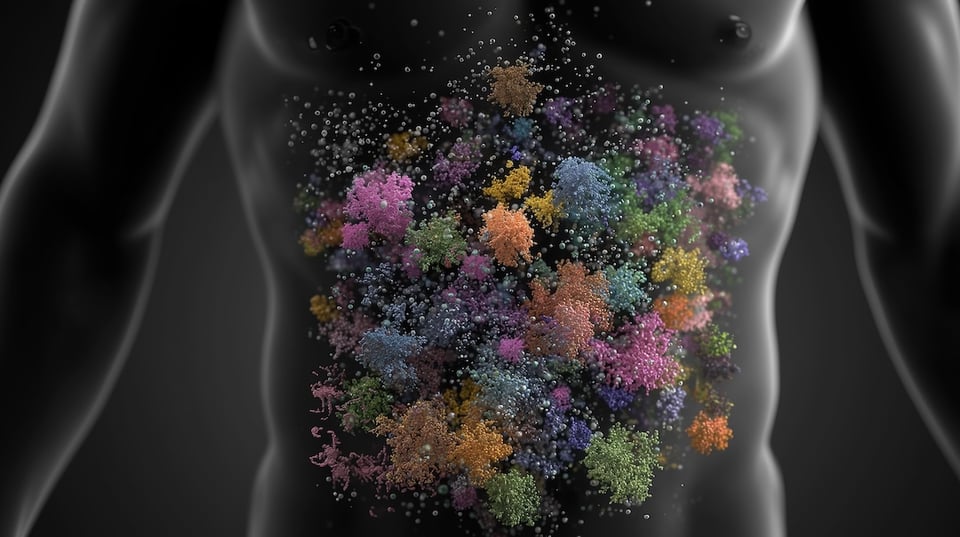
Keystone commensal bacteria support gut microbial stability, and their depletion may explain why probiotics help some but not others.
 Research & Education
Heat-treated Lactobacillus gasseri CP2305, a para-psychobiotic, shows in clinical trials that it stabilizes stress markers and supports gut bacteria.
 Research & Education
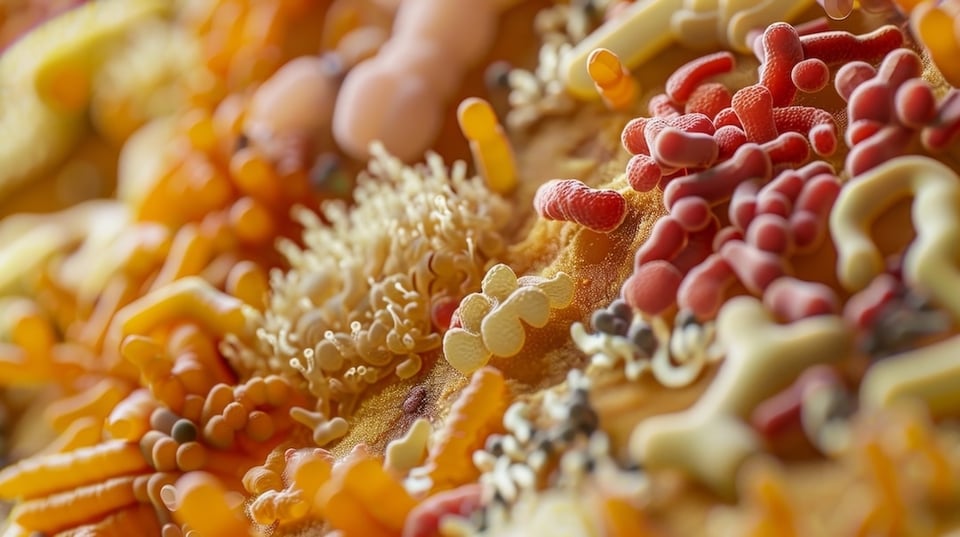
Cross-feeding among keystone gut bacteria like Akkermansia and Bifidobacterium species sustains microbiome stability and butyrate production.
 Research & Education
Keystone gut bacteria like Faecalibacterium prausnitzii and Akkermansia muciniphila help sustain microbial diversity and gut ecosystem stability.
 Research & Education
The gut microbiome shapes immune health through short-chain fatty acids and lymphoid tissue, and fiber-rich diets are linked to lower inflammation.
 Research & Education
The HACK index ranks over 200 gut bacterial taxa by stability and health association, identifying keystone species beyond common probiotics.