 Research & Education
Clear Evidence: The Role of Spore-Based Probiotics in Healthy-Looking Skin
Spore-based probiotics support a balanced gut microbiome, and studies link them to improved skin barrier function and reduced acne.

Microbiome
The latest evidence-based reporting in Microbiome.
Research & EducationSpore-based probiotics support a balanced gut microbiome, and studies link them to improved skin barrier function and reduced acne.
 Research & Education
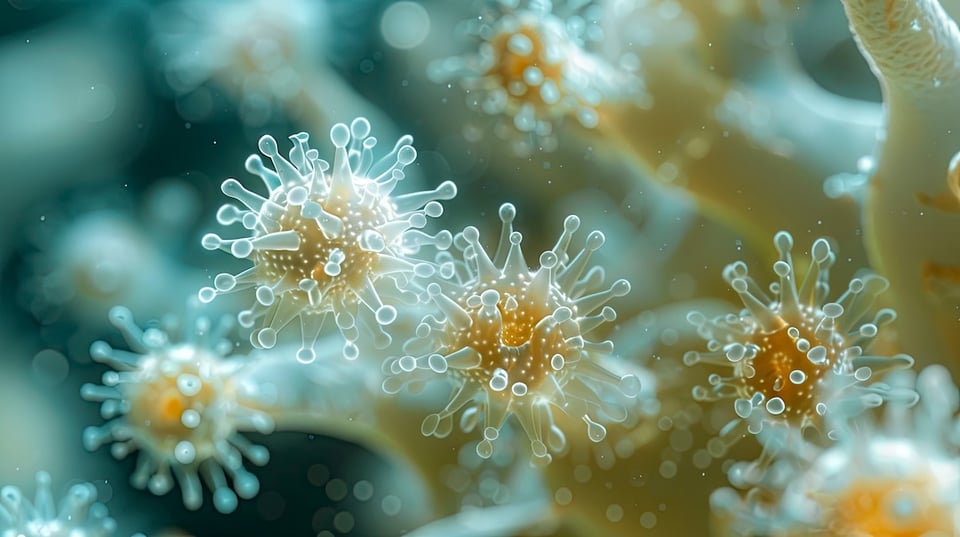
Genetic variations in GLO1, FUT2, SOD2, and FLG influence skin aging, gut bacteria balance, antioxidant status, and skin barrier function.
 Research & Education
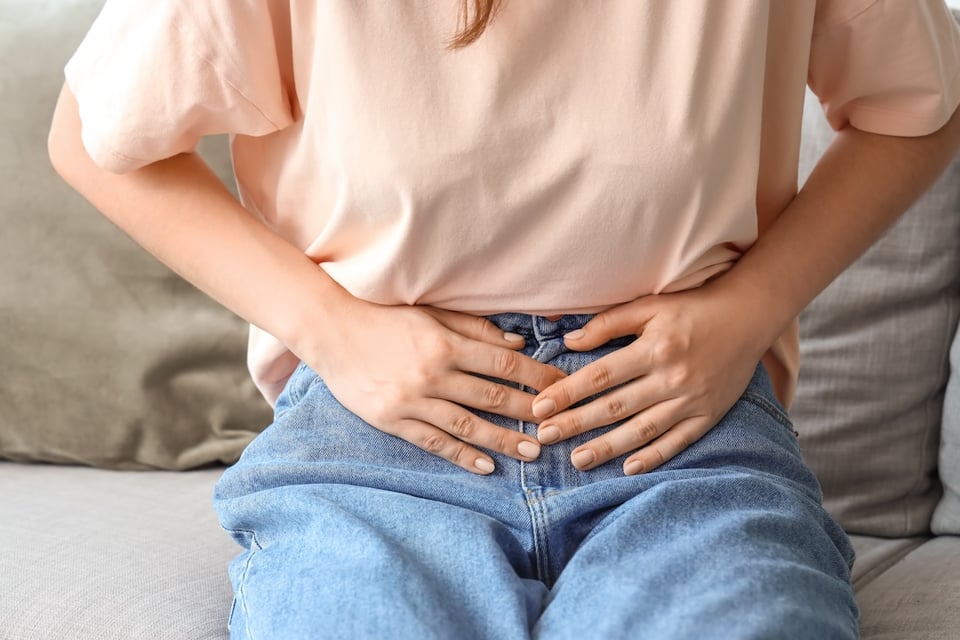
Spore-based Bacillus probiotics survive stomach acid to germinate in the gut, where studies link them to microbiome balance and fewer GI symptoms.
 Research & Education
Antibiotics, PPIs, NSAIDs, and GLP-1 agonists can disrupt gut function and the microbiome, and certain nutrients may help support the GI lining.
 Research & Education
Short-chain fatty acids from fiber fermentation may support gut barrier integrity and reduce neuroinflammation along the gut-brain axis.
 Research & Education
Specific Lactobacillus and Bifidobacterium strains support mood and cognition, with trials linking them to reduced anxiety, depression, and stress markers.
 Research & Education
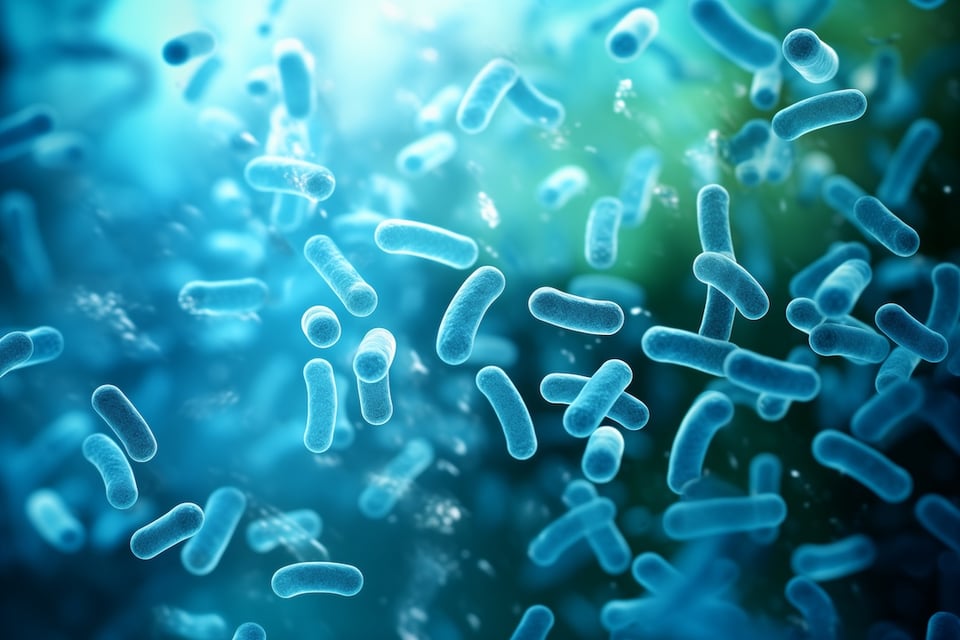
Lactobacillus paracasei, a probiotic strain, lowered cariogenic bacteria levels and reduced dental caries risk in children in clinical trials.
 Research & Education
Antibacterial mouthwash may harm oral bacteria needed for nitric oxide production, and frequent use is linked to higher blood pressure and diabetes risk.
 Research & Education
Gut microbial composition is tied to allergic conditions like rhinitis and eczema, and certain Bifidobacterium and Lactobacillus strains may ease symptoms.
 Research & Education
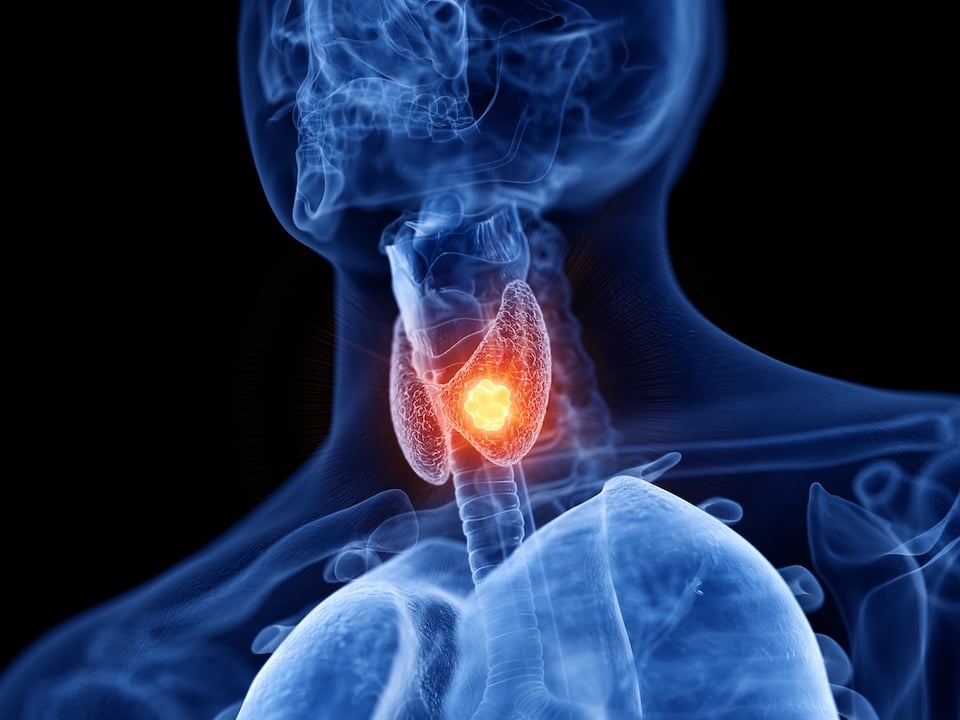
Bidirectional communication between thyroid function and gut microbiota is linked to dysbiosis observed in patients with Graves disease.
 Research & Education
The gut microbiome and its metabolites, especially short-chain fatty acids, appear linked to blood pressure regulation and cardiovascular disease risk.