 Science Update
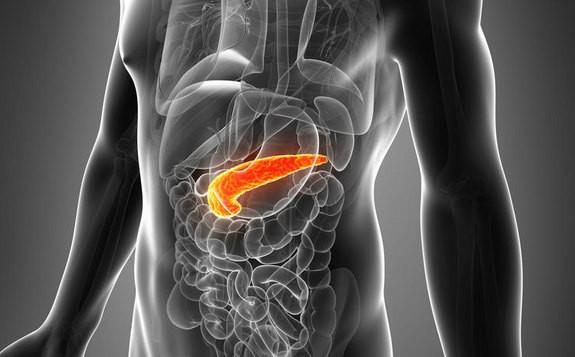
Low vitamin D may be linked to increased pancreatic cancer risk
Sunlight exposure and vitamin D levels vary inversely with pancreatic cancer rates across countries, suggesting deficiency may raise risk.

CASI Blog
Peer-reviewed nutrition science, organized by topic and section.
Fully-referenced deep dives, written for practitioners and the science-curious.
Science Update
Sunlight exposure and vitamin D levels vary inversely with pancreatic cancer rates across countries, suggesting deficiency may raise risk.
 Science Update
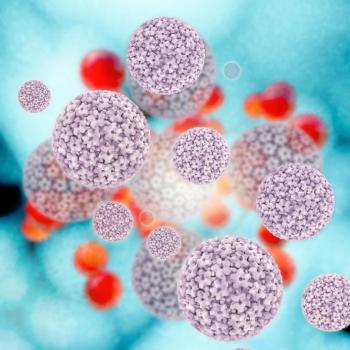
Curcumin, turmeric's key active compound, appears to suppress HPV activity in oral cancer cells and may boost natural killer cell function.
 Science Update
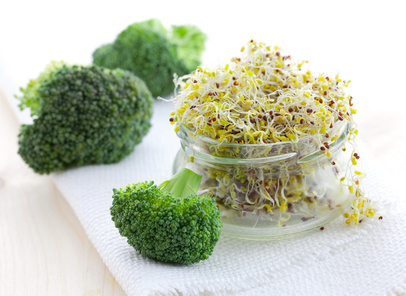
Broccoli sprout extract reduced oral cancer incidence in mice and produced protective changes in the mouth lining of healthy human volunteers.
 Science Update
A four-week multispecies probiotic trial reduced ruminative thoughts tied to sad mood, suggesting a role in depression prevention.
 Research & Education
Hibiscus sabdariffa's anthocyanins and phenolic compounds support healthy blood pressure, kidney function, and resistance to urinary tract infections.
 Science Update
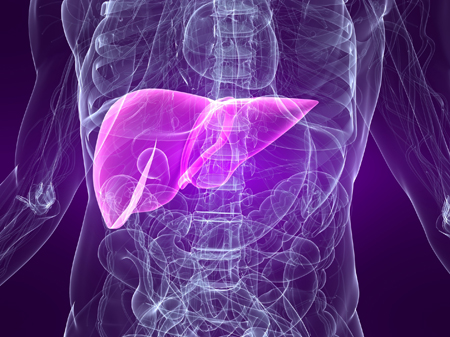
According to new research published in Cellular and Molecular Gastroenterology and Hepatology non-alcoholic steatohepatitis (NASH) is associated with…
 Dietary Fiber for Gut Microbiome
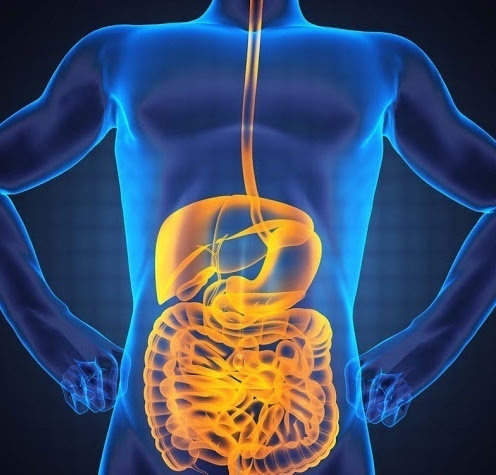
Dietary fiber and diverse food intake are linked to greater gut microbial diversity, which is reduced across many chronic disease states.
 Science Update
Lower diversity of gut bacteria at three months old was linked to higher rates of food sensitization to eggs, milk, or peanuts by age one.
 Science Update
Explore the impact of lifestyle changes on cognitive health as we discuss memory loss, Alzheimer's, and actionable steps for healthy aging.
 Science Update
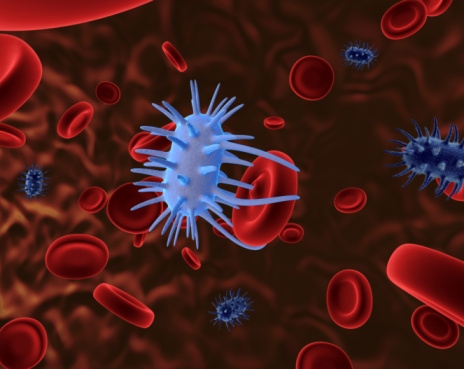
Zinc deficiency disrupts immune cell activation and cytokine regulation, driving more inflammation, especially in older adults.
 Research & Education
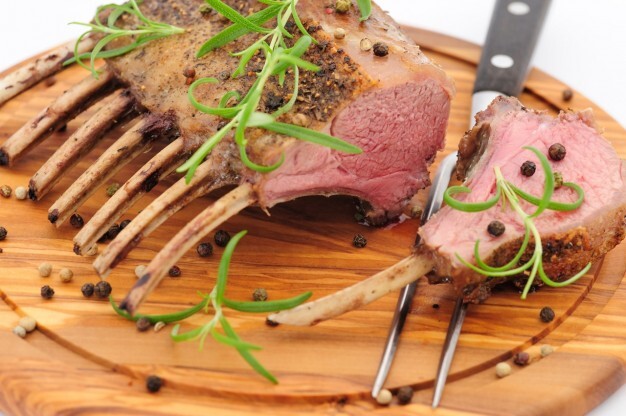
Lamb delivers dense nutrient profile of B vitamins, zinc, iron, and selenium, and its fat is mostly monounsaturated oleic acid rather than saturated fat.