 EPA for Inflammatory Response
Assessing and Supporting Methylation Pathways
Methylation status can be assessed through markers like MCV, homocysteine, and MTHFR variants, and supported with folate, B12, choline, and B6.

CASI Blog
Peer-reviewed nutrition science, organized by topic and section.
Fully-referenced deep dives, written for practitioners and the science-curious.
EPA for Inflammatory Response
Methylation status can be assessed through markers like MCV, homocysteine, and MTHFR variants, and supported with folate, B12, choline, and B6.
 Immune Support
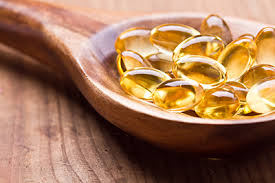
Fish oil rich in EPA and DHA reduced seizure frequency by 33.6% versus placebo in drug-resistant epilepsy patients in a 2015 clinical trial.
 Science Update
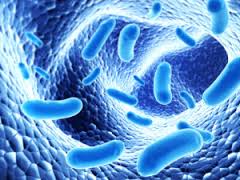
A drop in gut microbial diversity preceded type 1 diabetes onset in genetically predisposed infants, per the largest longitudinal microbiome study to date.
 Research & Education
Cocoa polyphenols in dark chocolate have been linked to lower blood pressure and improved cardiovascular markers compared to milk chocolate.
 Science Update
Resveratrol supplementation improved spatial learning, memory, and mood in aged rats by boosting hippocampal neurogenesis and blood flow.
 Cardiovascular Health
Astragalus, a traditional Chinese herb, modulates immune cytokine activity and shows antimicrobial effects against E. coli in bladder cells.
 Research & Education
Mild dehydration, common when people replace water with juice, soda, or coffee, may impair mood, cognition, and lung and cardiovascular health.
 Science Update
Maternal stress during pregnancy correlates with altered infant gut bacteria and a higher incidence of GI and allergy issues in early infancy.
 Research & Education
Vitamin K2 activates proteins that direct calcium into bone and away from arteries, addressing the paradox of osteoporosis with arterial calcification.
 Stress
Large population studies show chronic stress raises mortality risk in men more than in women, including a much higher suicide risk.
 Science Update
B vitamins may protect fertility against DDT exposure, as a study found deficiencies raised miscarriage risk and lengthened time to conception.