 Research & Education
Therapeutic Breathing
Conscious breathing techniques raise brain oxygenation and cerebrospinal fluid flow, easing symptoms in COPD, asthma, and chronic heart failure.

CASI Blog
Peer-reviewed nutrition science, organized by topic and section.
Fully-referenced deep dives, written for practitioners and the science-curious.
Research & Education
Conscious breathing techniques raise brain oxygenation and cerebrospinal fluid flow, easing symptoms in COPD, asthma, and chronic heart failure.
 Research & Education
Oleuropein in olive leaf extract shows antimicrobial, blood pressure-lowering, and neuroprotective effects in animal and lab studies.
 Research & Education
Cinnamon's antimicrobial, blood sugar balancing, and anti-inflammatory compounds show effects from lower blood pressure to reduced uric acid buildup.
 Research & Education
Potassium deficiency, driven by excess sodium in processed foods, is linked to hypertension, stroke, and heart disease risk.
 Research & Education
Schizophrenia may be linked to gluten sensitivity and oxidative stress, with SAMe and high-dose glycine showing potential to ease some symptoms.
 Research & Education
Coconut oil's medium chain triglycerides may support metabolism, cognition in Alzheimer's, testosterone levels, bone density, and antimicrobial defense.
 Viva Commensal
Commensal gut biofilms support GI integrity and modulate immune response, and inulin has been shown to improve bifidobacteria biofilm in rat studies.
 Mental Wellness
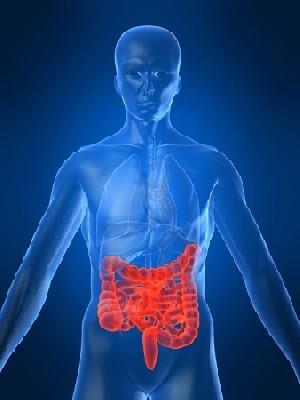
Gut inflammation and dysbiosis are linked via the gut-brain axis to anxiety and depression, with some probiotic strains shown to ease stress response.
 Research & Education
A widely reported red meat study links L-carnitine to heart disease via TMAO, but small sample sizes and contradicting meta-analyses raise doubts.
 Research & Education
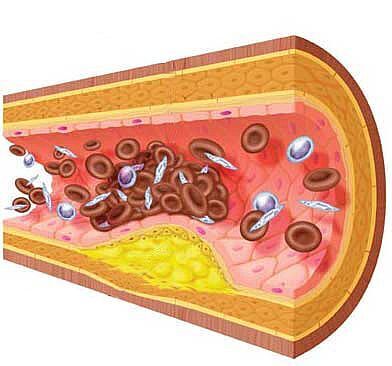
Inflammation drives arteriosclerosis progression, and nutrients like vitamin C, folic acid, astaxanthin, and curcumin may help reverse endothelial damage.
 Research & Education
Prostate specific antigen levels vary with age, infection, ejaculation, and obesity, so a single elevated reading rarely confirms cancer on its own.