 Cardiovascular Health
Resveratrol: Quintessential Age Fighter - Part 2
Resveratrol may also protect hearing, support cardiovascular and lung health, modulate immune response, and show anti-cancer potential in cell studies.

CASI Blog
Peer-reviewed nutrition science, organized by topic and section.
Fully-referenced deep dives, written for practitioners and the science-curious.
Cardiovascular Health
Resveratrol may also protect hearing, support cardiovascular and lung health, modulate immune response, and show anti-cancer potential in cell studies.
 Research & Education
Resveratrol activates the sirtuin 1 gene, improving mitochondrial function and curbing oxidative stress linked to atherosclerosis and neurodegeneration.
 Amino Acids
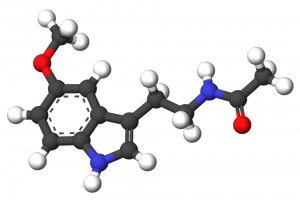
Melatonin, produced in both the pineal gland and the gut, is shown to protect gastrointestinal tissue and ease disorders like GERD and IBS.
 Research & Education
Glaucoma risk may be lowered by diet, with eggplant shown to reduce intraocular pressure and ginkgo biloba improving blood flow in affected patients.
 Blood Sugar Management
HbA1c reflects average blood glucose and glycation damage, and evidence shows low-carb diets and vitamin D repletion can improve its levels.
 Metabolic Health
Vitamin D, omega-3 DHA, iron, zinc, and iodine support fetal development, and deficiency in pregnancy raises risks for mother and child.
 Research & Education
Ginkgo biloba, niacin, and lipoic acid, combined with CoQ10 and B vitamins, have been shown in studies to reduce migraine frequency and severity.
 Cellular Health
A retrospective study linked high omega-3 blood levels to increased prostate cancer risk, but earlier prospective studies found fish intake protective.
 Research & Education
Magnesium, melatonin, and CoQ10 levels are often low in migraine sufferers, and supplementing them may ease attack frequency and severity.
 Insulin Sensitivity
Inositol, particularly myoinositol, has been shown to improve insulin sensitivity, ovulation frequency, and weight in women with PCOS.
 Research & Education
Statins, gluten, and persistent organic pollutants each show mechanisms that may promote insulin resistance and diabetes risk.