 Research & Education
Strength Training. The Real Fountain of Youth?
Resistance training improves balance, walking speed, and muscle mass in older adults, and greater strength is linked to slower cognitive decline.

CASI Blog
Peer-reviewed nutrition science, organized by topic and section.
Fully-referenced deep dives, written for practitioners and the science-curious.
Research & Education
Resistance training improves balance, walking speed, and muscle mass in older adults, and greater strength is linked to slower cognitive decline.
 Research & Education
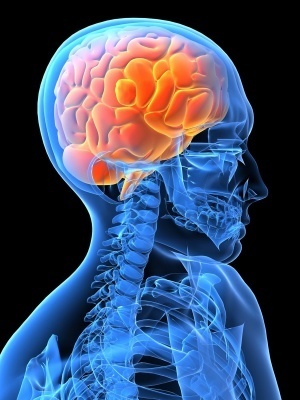
Dysregulated maternal immune activity during pregnancy, including antibodies and cytokines crossing the fetal blood-brain barrier, may raise autism risk.
 Sleep Quality
Declining melatonin and disrupted cortisol and TNF cycles drive insomnia, and valerian, lavender, and napping may help restore sleep.
 Research & Education
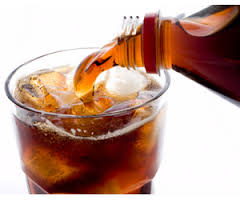
Soft drink consumption, sugared or diet, has been linked to weight gain, aggression, respiratory disease, stroke, and cancer risk.
 Immune Support
Melatonin's decline with age may weaken immune cell production and cancer-protective effects, alongside its antioxidant and neuroprotective roles.
 Research & Education
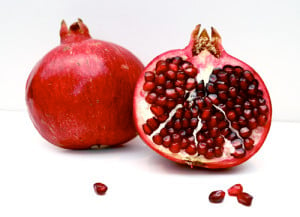
Pomegranate polyphenols support insulin sensitivity, mimic calorie-restriction longevity effects, and protect against Alzheimer's-related brain damage.
 Breast Cancer
BRCA mutation-linked breast cancer risk rose from 24% before 1940 to over 80% today, linked to diet, obesity and other epigenetic factors.
 Research & Education
Prescription drug misuse, off-label prescribing, and pediatric over-diagnosis are increasing overmedication risks among teens and elderly patients.
 Research & Education
Brain changes behind teen self-consciousness and impulsivity are normal, and strong sibling bonds and family cohesion can ease teens through puberty.
 Research & Education
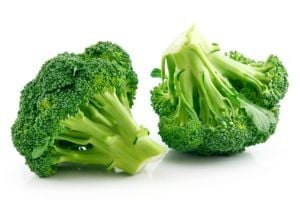
Sulforaphane, a compound in broccoli, activates Nrf2 and phase II detoxification pathways, with evidence for gut, brain, and skin protection.
 Cellular Energy
Research shows sweat can contain higher levels of BPA, phthalates, and heavy metals than blood or urine, suggesting sweating may aid detoxification.