 Research & Education
Polyphenols to Support the Gut-Brain Axis
Polyphenols in fruits, vegetables, and cocoa may support gut microbiota and the gut-brain axis, and what recent research on cognition shows.

Microbiome
The latest evidence-based reporting in Microbiome.
Research & EducationPolyphenols in fruits, vegetables, and cocoa may support gut microbiota and the gut-brain axis, and what recent research on cognition shows.
 Science Update
Gut bacteria synthesize forms of vitamin K2, and butyrate may help regulate vitamin K absorption, according to a review of vitamin K antagonists.
 Research & Education
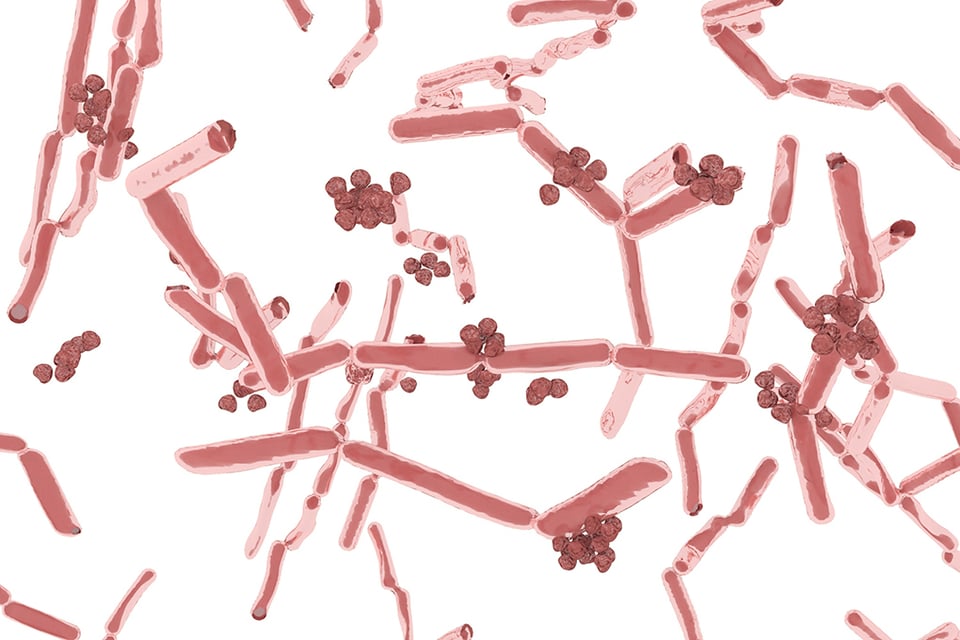
Probiotics, resistant starch, and resistant proteins may support gut microbial balance and a healthy inflammatory response during aging.
 Science Update
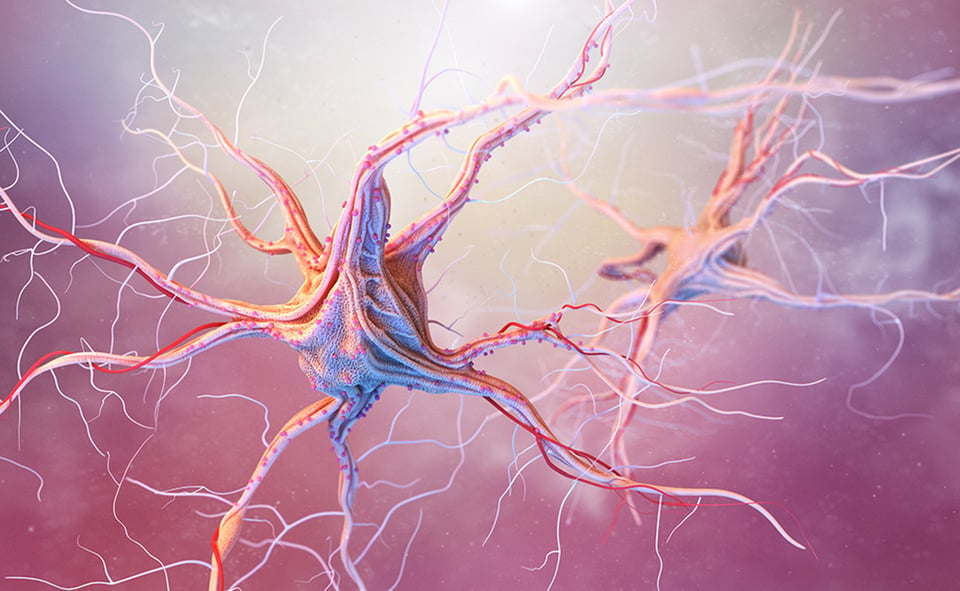
Gut bacteria and their metabolites, including butyrate, may modulate pain signaling, and probiotics have reduced abdominal pain in pediatric IBS studies.
 Research & Education
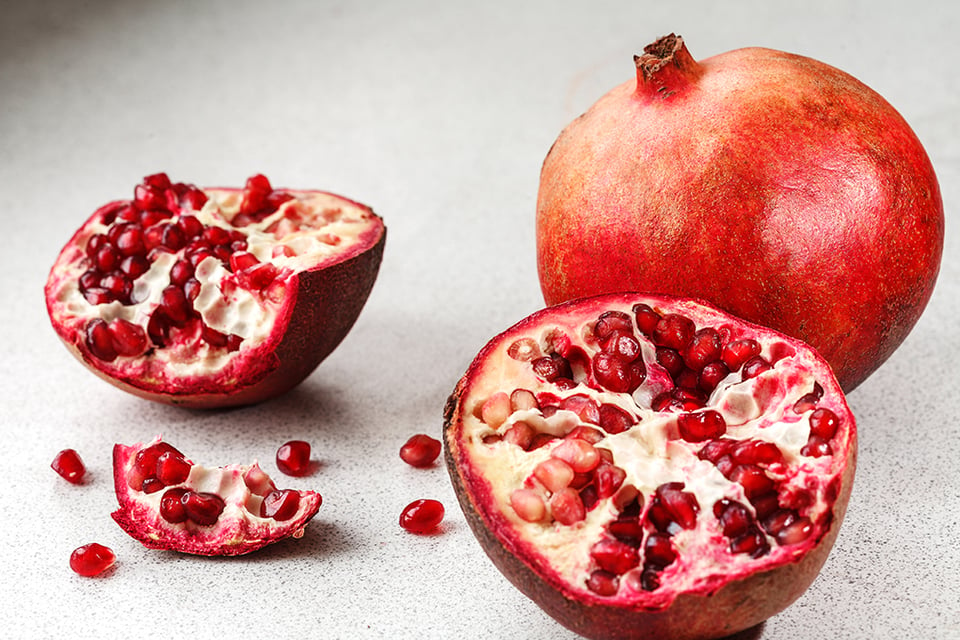
Pomegranate polyphenols and their gut-derived metabolites, urolithins, show potential to support neuroprotection and mood in preclinical studies.
 Research & Education
Probiotics, prebiotics, and synbiotics may help rebalance gut microbiota linked to obesity, and reviews show they can reduce body weight and fat mass.
 Research & Education
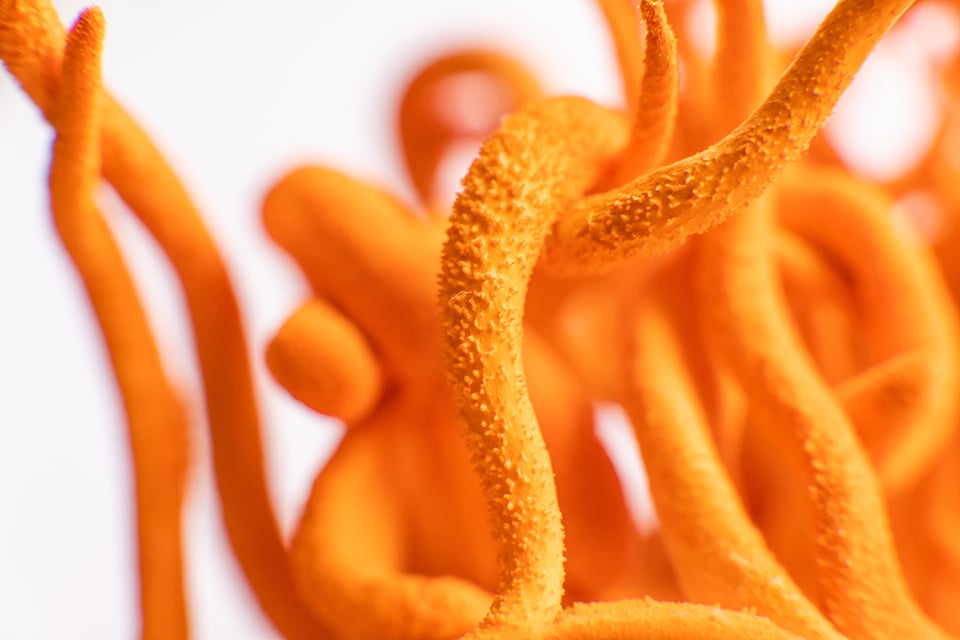
Cordyceps species support immune function, gut microbiome health, and the body's response to inflammation and oxidative stress in recent studies.
 Research & Education
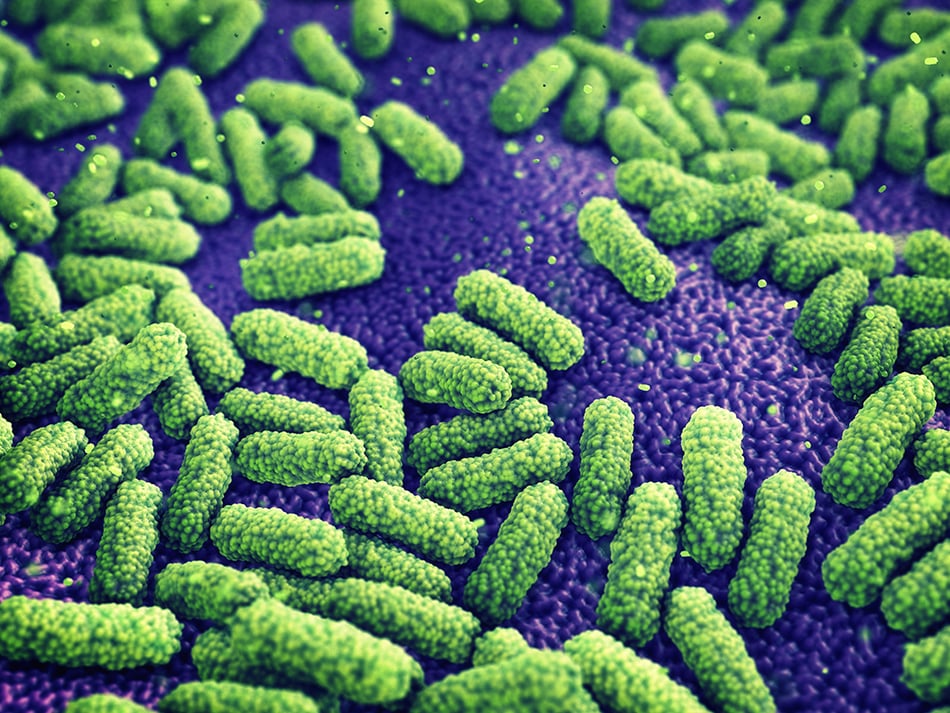
Vitamin D and gut microbiota interactions may influence immune balance and support a healthy response to allergic conditions like eczema and asthma.
 Science Update
11 g of GOS daily increased stool frequency in adults with occasional constipation, a randomized trial found.
 Research & Education
Melatonin produced in the gut, found at levels up to 400 times higher than in the pineal gland, may support gut immune function and microbiome balance.
 Research & Education
In animal studies, the probiotic yeast Saccharomyces boulardii improved transit time by 30% and supported anxiety-like behavior in a model of IBS.