 Research & Education
Supporting the Vaginal Microbiome: The Why and How
Certain Lactobacillus strains may support vaginal microbial balance and reduce bacterial vaginosis, according to several clinical studies.

Microbiome
The latest evidence-based reporting in Microbiome.
Research & EducationCertain Lactobacillus strains may support vaginal microbial balance and reduce bacterial vaginosis, according to several clinical studies.
 Science Update
Gut microbial metabolites such as short chain fatty acids and bile acids may support healthy lipid and blood sugar metabolism, per a recent review.
 Research & Education
Lactobacillus and Bifidobacterium strains may support the gut-brain axis, with trials linking supplementation to improved mood and stress markers.
 Science Update
Probiotics like Bifidobacterium and Lactobacillus may support the gut-brain axis, with studies linking them to improved depression and mood scores.
 Science Update
Gut microbiome composition, including certain Bacteroides species, is linked to mood, and probiotics reduced depression and anxiety in clinical trials.
 Research & Education
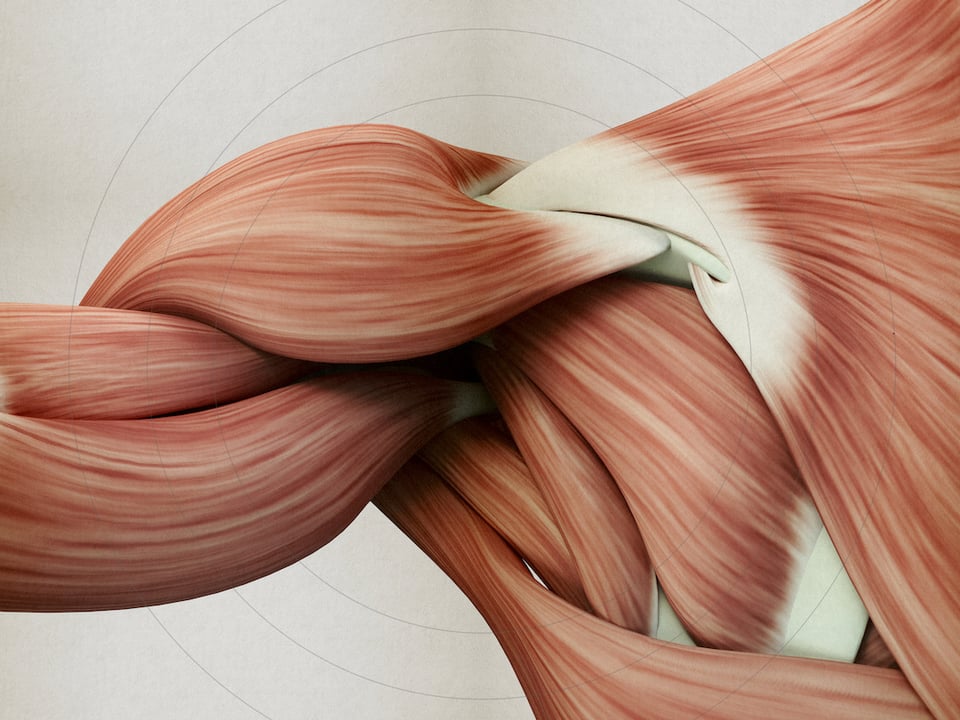
Age-related muscle loss may be linked to the gut microbiome, and probiotics show potential to support muscle function and healthy glucose metabolism.
 Science Update
More than 700 microorganisms make up the oral microbiome, which may influence autoimmune activity via molecular mimicry and altered immune signaling.
 Research & Education
The gut microbiome and cardiovascular health appear linked through short-chain fatty acids, with some probiotics shown to support related markers.
 Research & Education
Certain Lactobacillus and Bifidobacterium strains may support oral microbial balance and ease periodontal inflammation, clinical trials suggest.
 Science Update
Gut microbial imbalances and inflammatory markers appear linked to cardiovascular health, with certain nutrients and probiotics shown to support both.
 Research & Education
Vitamin D receptors in mood-related brain regions, gut microbiome effects, and serotonin support may explain its role in mood health, studies suggest.