
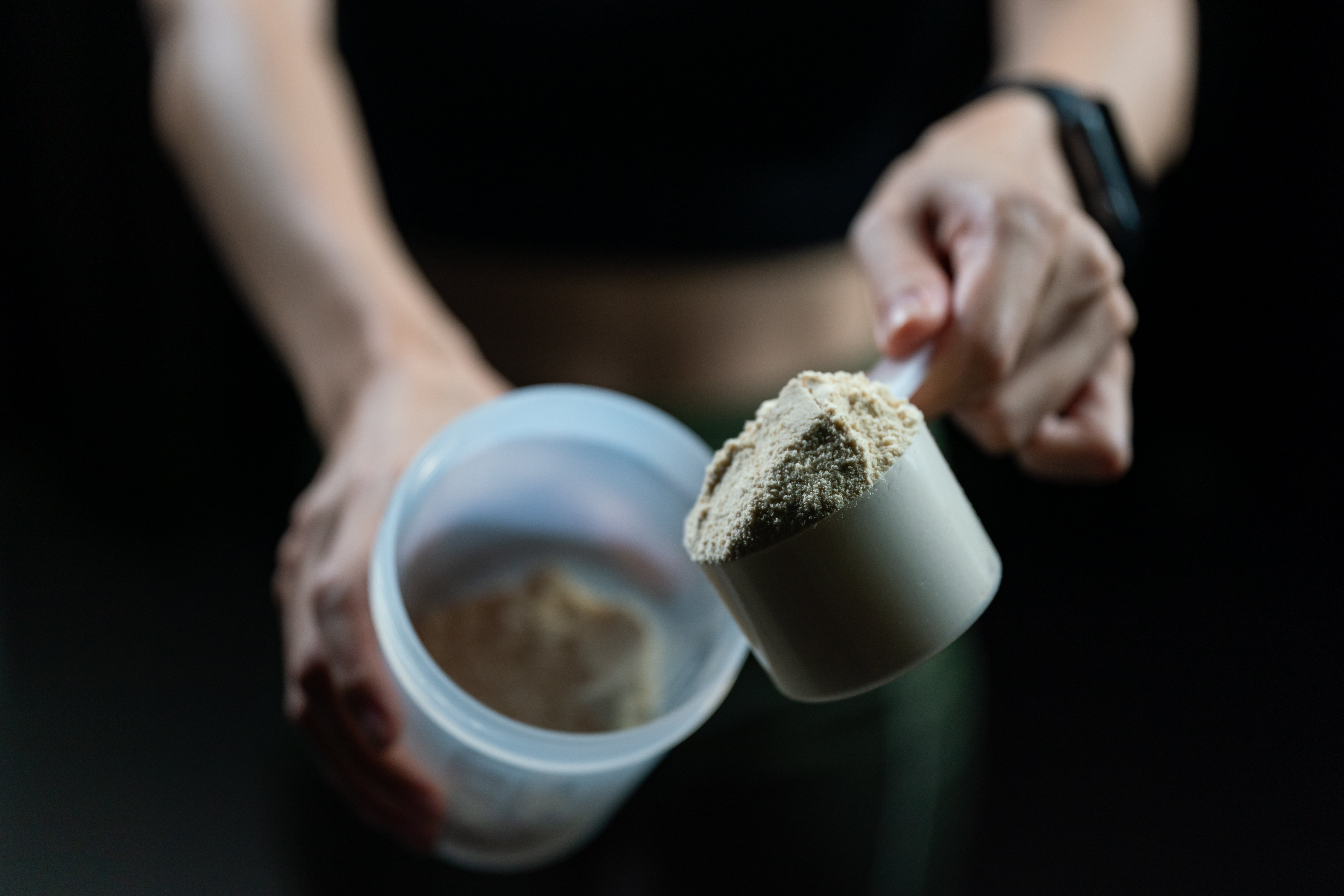
For athletes and active individuals, protein quality matters just as much as protein quantity. Whey protein has long been regarded as one of the most effective options for supporting muscle growth and athletic recovery and performance, due to its complete amino acid profile, high leucine content, and rapid digestion, which delivers amino acids quickly into the bloodstream. Yet not all whey is processed in the same way, and each form can impact how quickly those amino acids reach the muscles. One increasingly popular option, hydrolyzed whey protein, takes intact whey through an additional enzymatic step that breaks the protein into smaller peptides and free amino acids, creating a "pre-digested" form built for faster uptake. Understanding how these forms differ can help individuals, especially athletes, match the right protein to their training and recovery needs.
Types of Whey Protein
Whey is a natural byproduct of cheese production. It accounts for roughly 20% of the protein found in milk, and contains all nine essential amino acids, along with a high proportion of branched-chain amino acids. It is most often sold in three forms that differ primarily in how they are processed. Whey protein concentrate is the least processed, which allows it to keep more of the bioactive proteins naturally present in whey, such as immunoglobulins and lactoferrin, along with small amounts of fat and carbohydrate, which many individuals find advantageous. Whey protein isolate is filtered further to concentrate the protein and remove most of the fat and lactose. Hydrolyzed whey takes processing one step further, by using enzymes to break down the longer protein chains into shorter, low-molecular-weight peptides that the body does not have to work as hard to digest.
While each form of whey delivers the same complete protein, the processing method can influence its impact. In one head-to-head trial comparing whey forms over eight weeks of resistance training, hydrolyzed whey stood out by augmenting fat loss compared with the other forms, pointing to a potential advantage for body composition. Combined with its faster digestion, this makes hydrolyzed whey a compelling option for those who prioritize digestive comfort and quick nutrient delivery around training. That said, whey concentrate and isolate remain common everyday choices.
Faster Digestion and Absorption
The most well-documented advantage of hydrolyzed whey is its speed of digestion and absorption. Research comparing protein hydrolysates with their intact counterparts shows that a hydrolysate is digested and absorbed more rapidly, raising amino acid levels in the blood sooner after a meal. Another study found that a low-molecular-weight whey hydrolysate raised blood protein levels within about 20 minutes, while a standard concentrate took closer to 40 minutes. During this process, the smaller peptides move across the intestinal lining more readily, as much of the breakdown that normally happens during digestion has already taken place. The speed of delivery can be especially useful right after exercise, when the body is primed to use incoming nutrients for muscle repair.
In addition to the accelerated delivery time, hydrolyzed whey also has implications for digestive comfort. Because it arrives as shorter peptide chains which the body can absorb with little effort, it may reduce the likelihood of bloating or stomach upset. This can be especially relevant for those with digestive sensitivities or mild lactose intolerance, as well as for athletes who take protein before or during training or who train more than once a day. In these cases, easier digestion can be a meaningful advantage while still supplying usable amino acids quickly.
The Role of Leucine and Branched-Chain Amino Acids
A major reason that whey is so effective for muscle support is its amino acid profile, in particular its leucine content. Whey is one of the highest sources of leucine, the branched-chain amino acid most responsible for triggering muscle protein synthesis that drives muscle repair and growth. Leucine acts as a signal that tells the body to begin building and rebuilding muscle tissue, which is why reaching an adequate amount in each serving is so important for an anabolic response.
While leucine plays a central role in initiating this process, it works best as part of a complete protein. The body relies on the full set of essential amino acids to serve as the raw material for building new muscle tissue, which is one reason whole protein tends to outperform isolated amino acids. In one study, whey produced greater strength gains than leucine alone or a placebo. All three forms of whey provide this benefit, and hydrolyzed whey delivers it more rapidly, raising circulating amino acids when muscles are most receptive.
Supporting Recovery and Performance
Hydrolyzed whey has also been studied directly for its effects on exercise recovery. In one trial involving physically active females, four days of supplementation reduced markers of exercise-induced muscle damage and improved recovery of muscle function, including improvements in strength and flexibility compared with a carbohydrate control. A separate crossover study in healthy young men found that hydrolyzed whey increased amino acid uptake, mTORC1 signaling, and muscle protein synthesis, again reinforcing the connection between rapid amino acid availability and the body's anabolic response.
Conclusion
Whey protein remains one of the most effective tools for supporting muscle repair, recovery, and athletic performance, and the way it is processed shapes how it is best used. Hydrolyzed whey, with its smaller peptides and quicker absorption, offers a particularly efficient way to deliver complete protein when timing and digestibility are priorities. Concentrate also holds its place as a reliable, minimally processed source that retains more of whey's natural bioactive components for everyday needs, while hydrolyzed whey stands out around training. Ultimately, each form delivers the same high-quality protein, and the best choice comes down to individual goals and how the body responds.
Learn more about muscle health and athletic performance:
Bioactive Peptides From the Fava Bean: The Future of Muscular Health?
Muscle Tone Matters: The Key to Optimal Body Composition and Metabolic Health
Curcumin and Boswellia Synergistically Support Athletic Performance
By Jesse Martin, M.S.